A Capital-Light Experiential Asset With a 3–5 Month Payback and Strong Cash Yield
A 400 m² modular synthetic ice rink delivering fast capital recovery, low operating risk, and repeatable returns — without refrigeration, heavy utilities, or seasonal dependency.
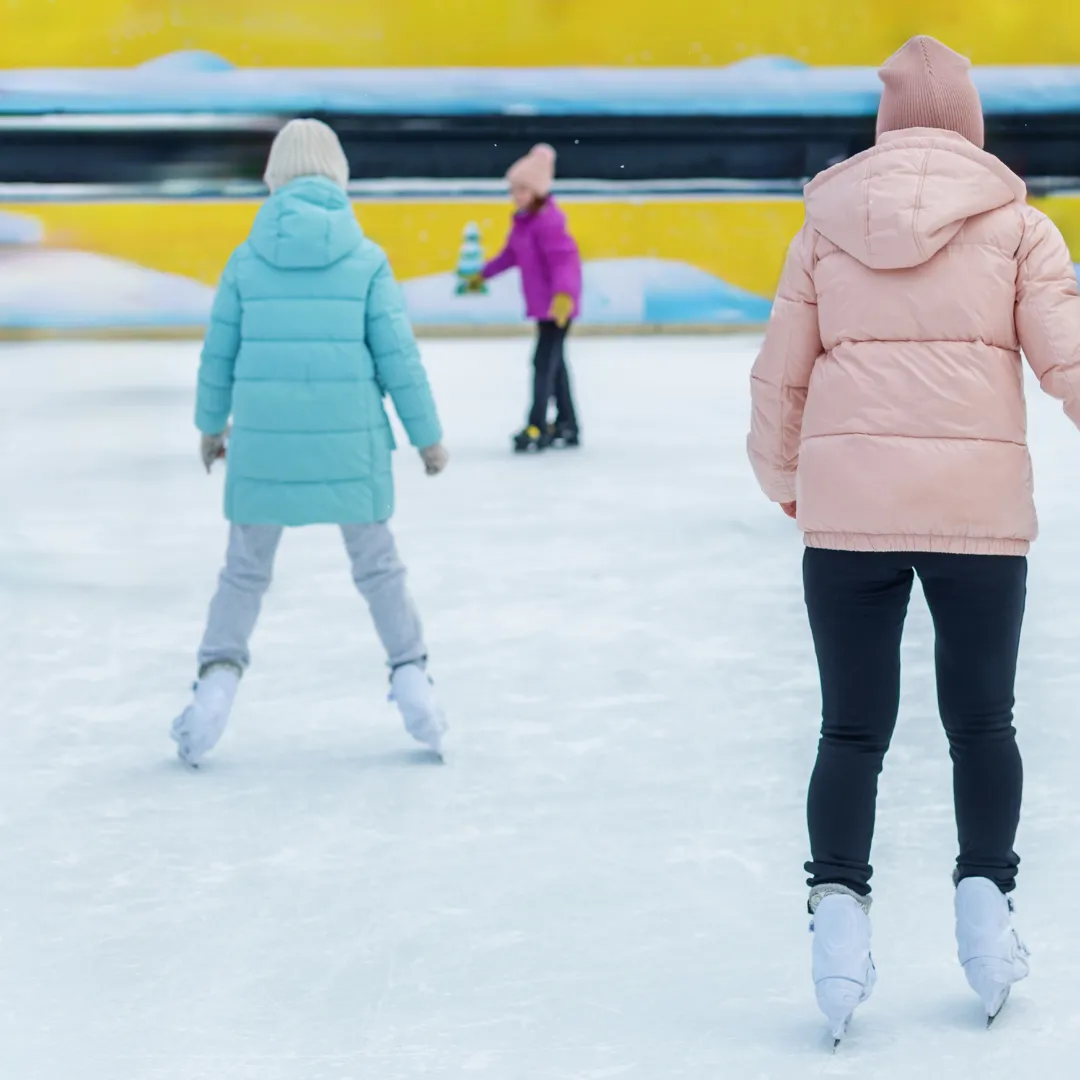

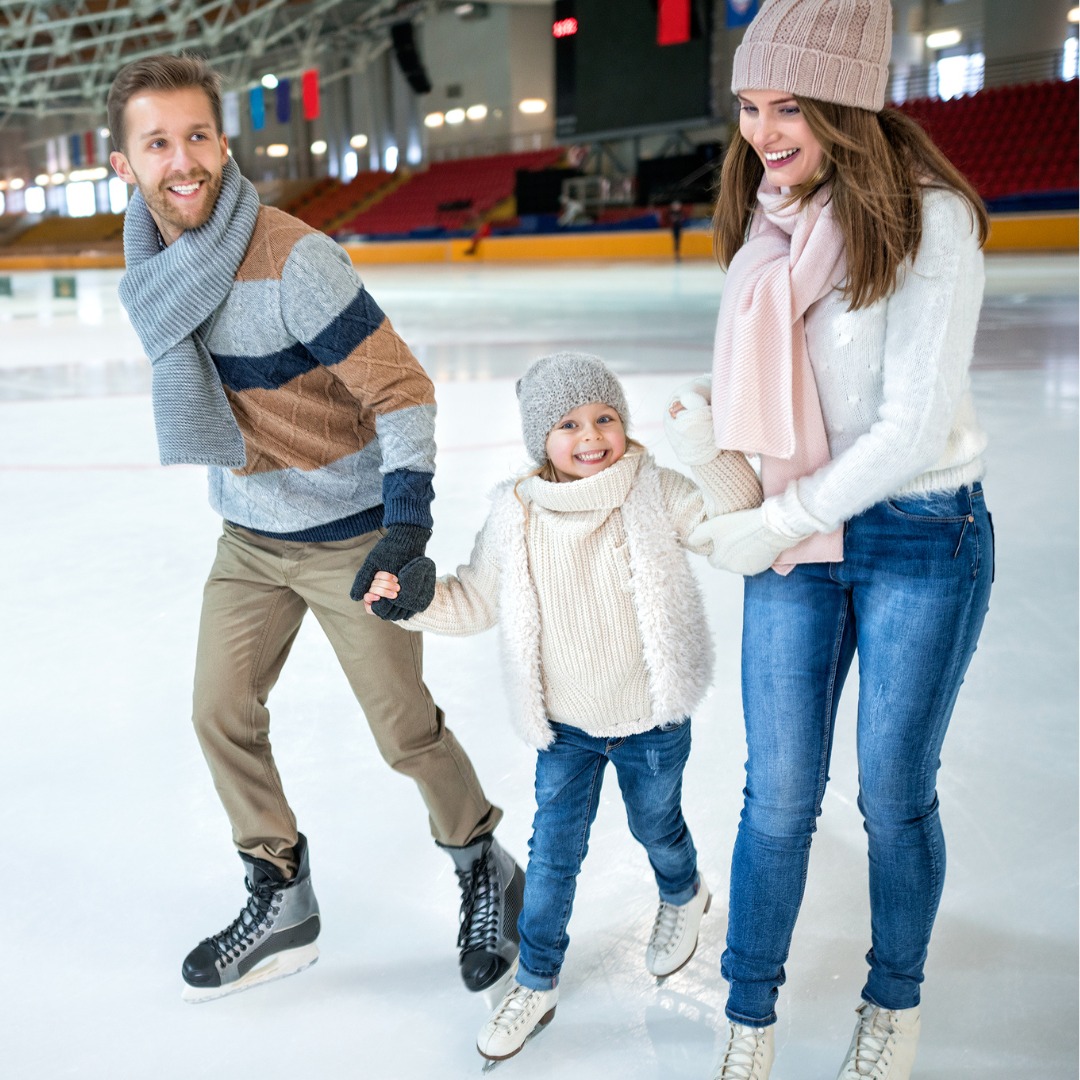
Executive Summary
This proposal outlines the deployment of a 400 m² synthetic ice rink experience designed as a high-margin, low-complexity experiential asset. The model is conservative by design, prioritising fast payback, predictable cashflow, and operational simplicity.
The asset is modular, relocatable, and scalable — making it attractive both as a standalone venture and as a repeatable platform opportunity.
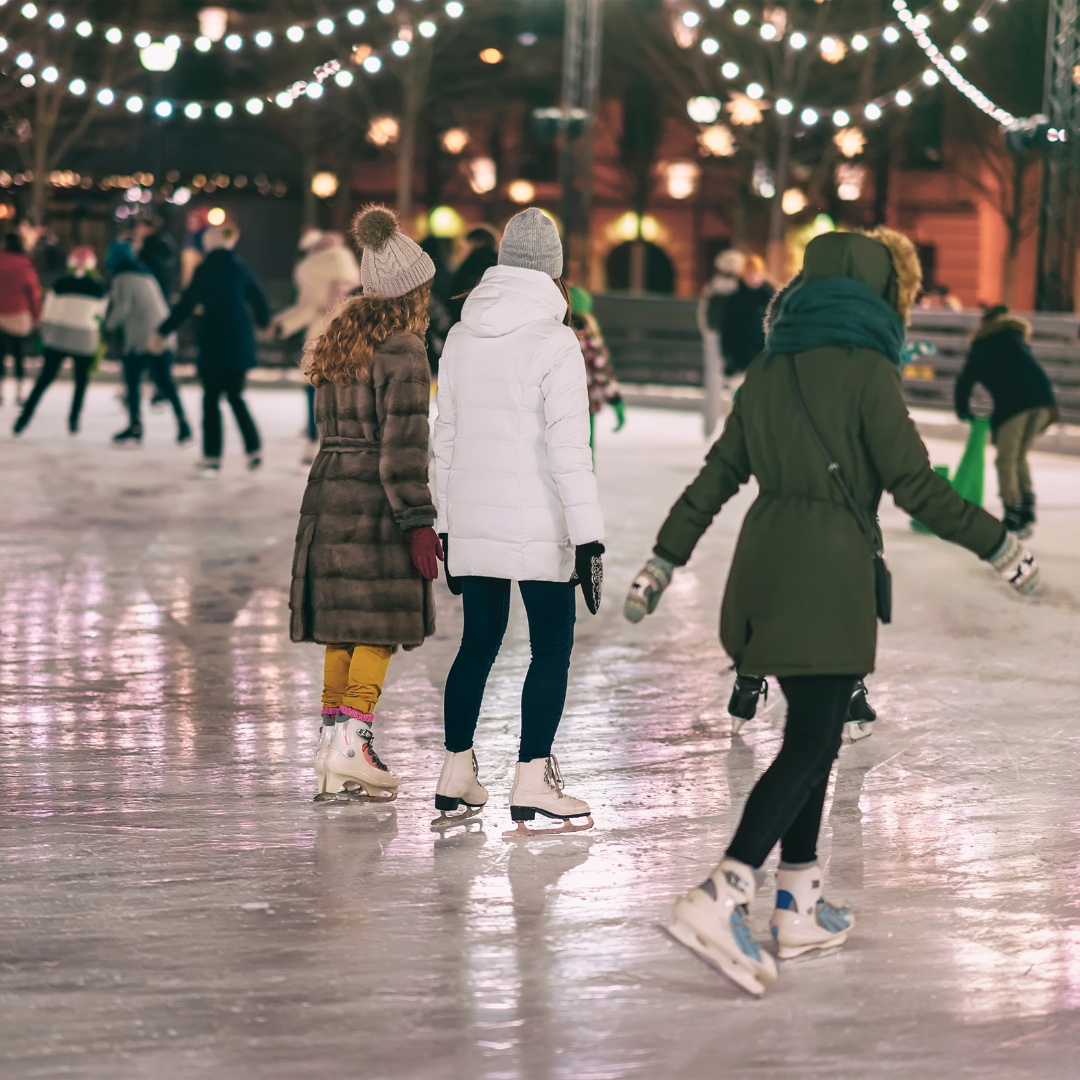
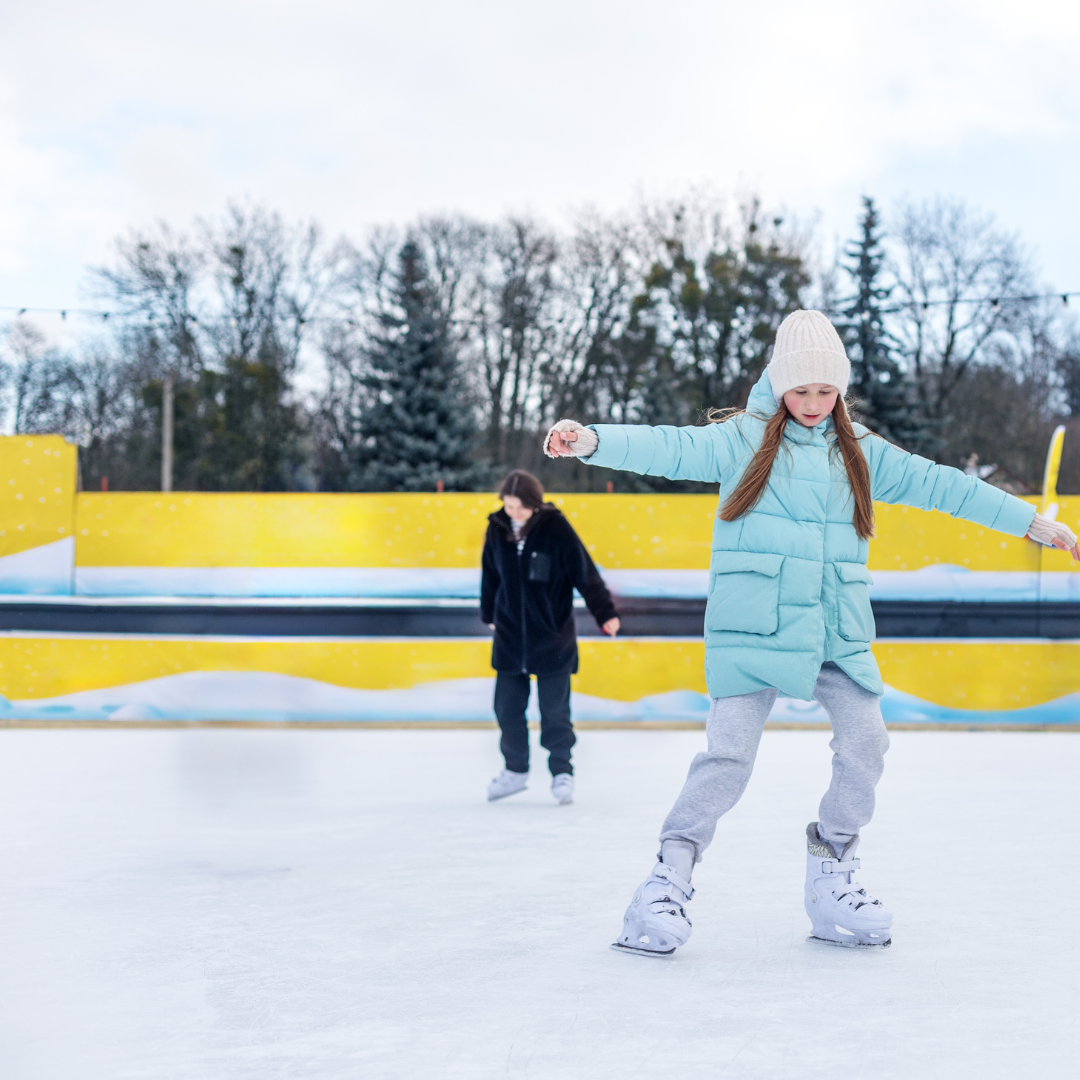
The Asset
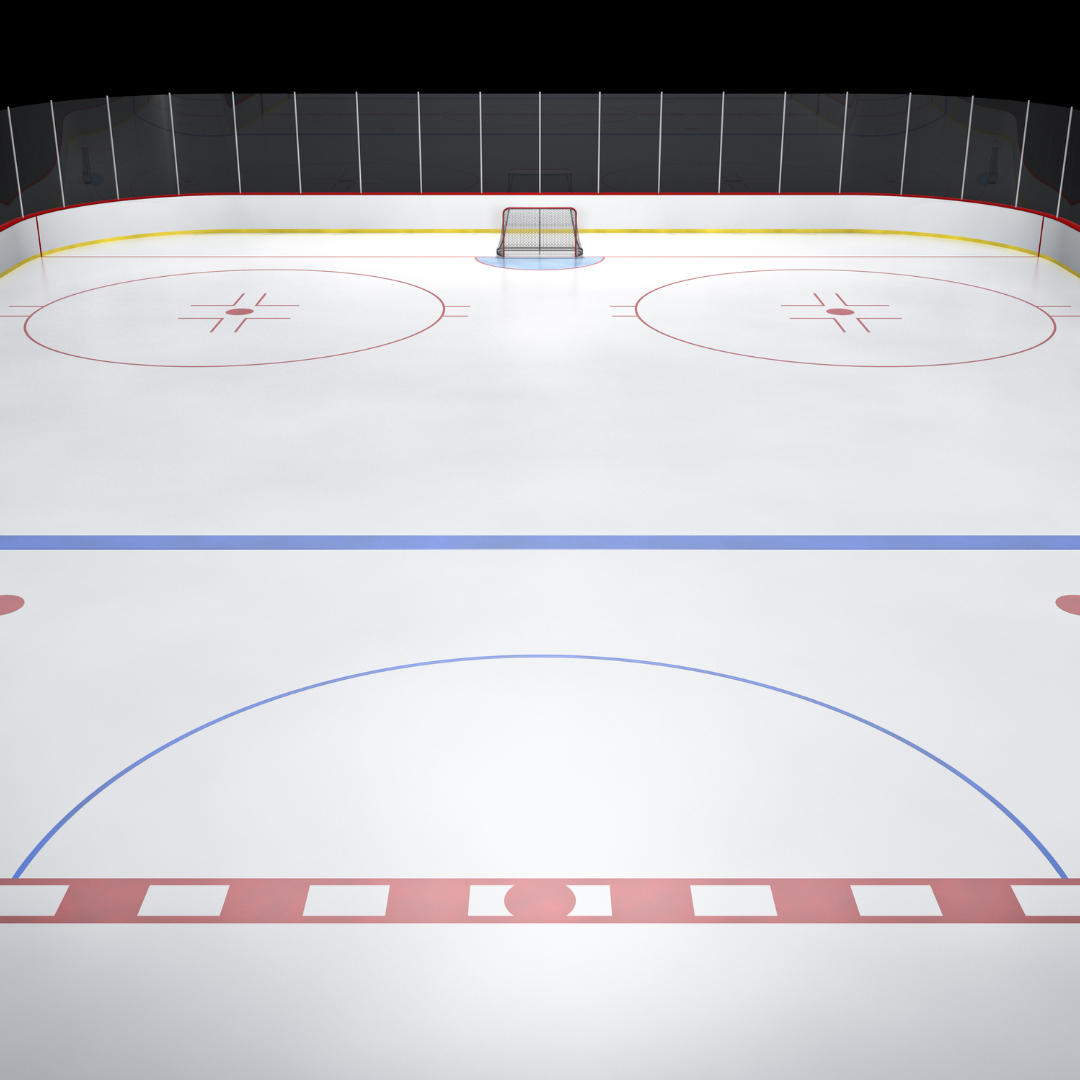
Product: Premium synthetic ice rink
Size: 400 m²
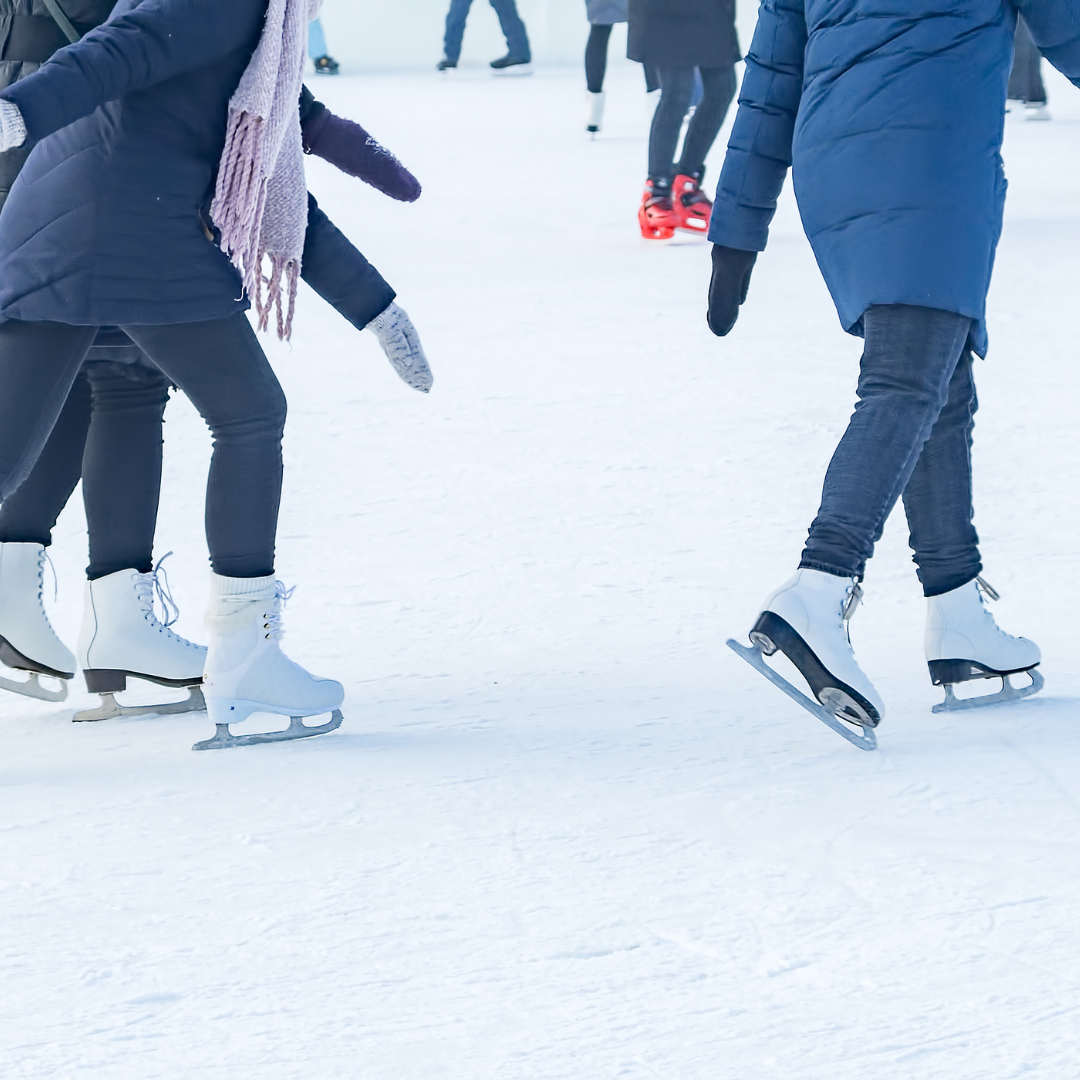
Capacity: ±70 skaters per session (conservative density)
Use cases: Shopping centres, events, tourism nodes, mixed-use precincts, pop-ups
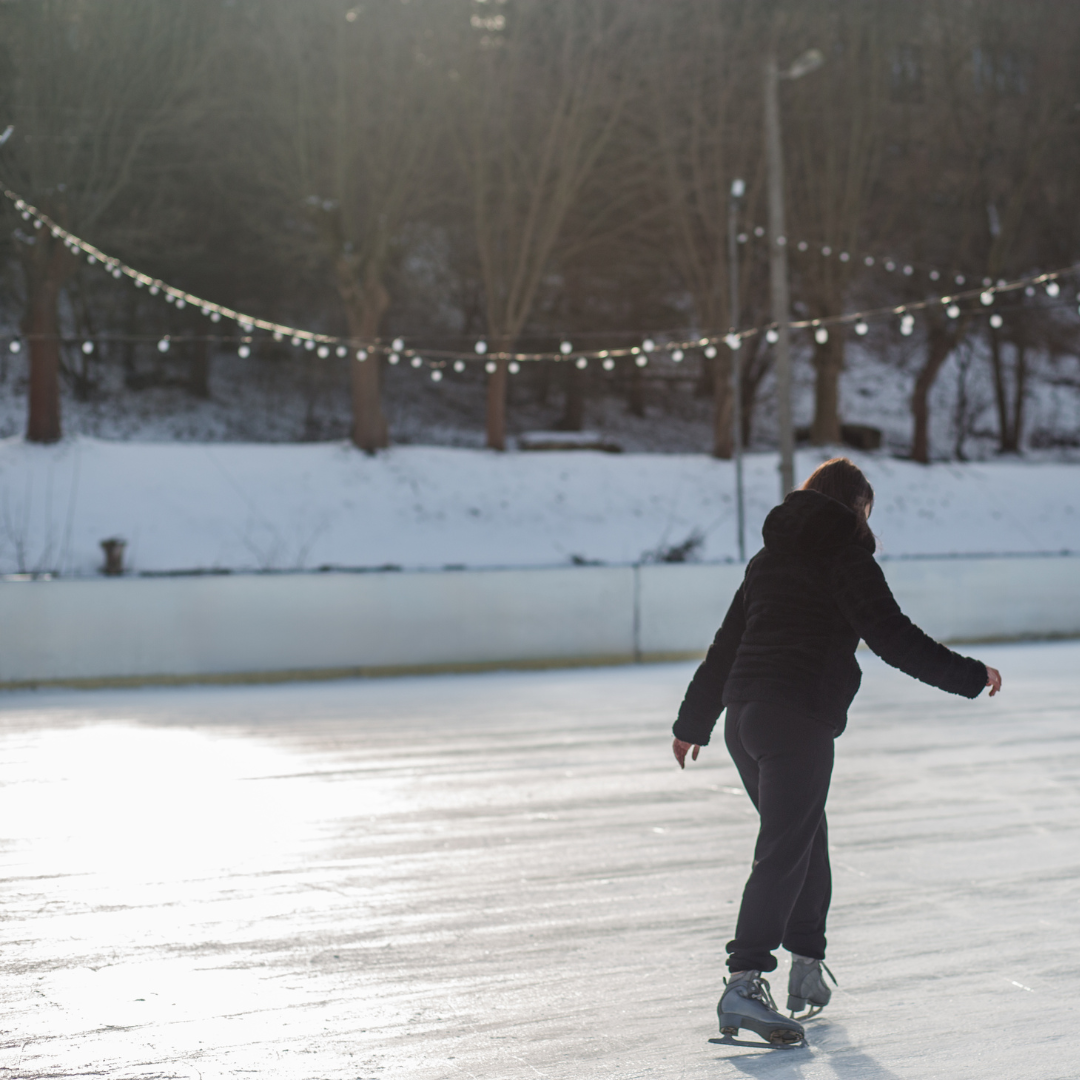
Key advantage: No refrigeration, no heavy power draw, no water infrastructure
Capital Requirement
Equipment cost: €119,990
Conservative FX rate: €1 ≈ R19.10
Total capital deployed: ±R2.30 million
This represents the full core asset cost (excluding site-specific operating expenses).
Revenue Assumptions (Conservative)
Average ticket price: R250 per person
Average occupancy: 70 skaters per session
Revenue per session: R17,500
These assumptions are deliberately conservative and below peak-capacity pricing used at comparable experiential attractions.
Break-Even & Payback Analysis
Metric / Result
Capital to recoup ±R2.30 million
Revenue per session R17,500
Sessions to break even±131 sessions
Time to Recoup
1 session per day: ±4.3 months
2 sessions per day: ±2.2 months
Weekend-only model: ±7–8 months
This positions the project well inside a sub-12-month payback window, even under conservative assumptions.
Operating Risk Profile
Key strengths:
No refrigeration or ice-making systems
Low electricity and water usage
Minimal technical failure points
Light staffing requirements
Predictable throughput
Compared to traditional ice rinks or entertainment assets, operational risk is materially lower.
Cashflow Characteristics
Once capital is recovered:
High contribution margins per session
Predictable daily cash inflow
Strong suitability for debt servicing
Ability to redeploy or relocate asset if required
The asset behaves more like a cash-generating attraction than a fixed infrastructure investment.
Scalability & Exit Optionality
Modular panels allow easy expansion to 600 m²+
Replicable model for multi-site rollout
Asset retains resale value
Suitable for franchising or platform aggregation
This creates optional upside beyond the initial deployment.
Why This Works for a Lending Partner
Short payback period
Strong visibility on cash generation
Asset-backed exposure
Low operational complexity
Flexible deployment
This is a lending-friendly structure focused on speed of capital recovery rather than long-dated speculation.
Closing Statement
This opportunity combines experiential demand with disciplined financial structuring. By focusing on conservative assumptions, rapid payback, and operational simplicity, the project delivers an attractive risk-adjusted return profile suitable for a prudent lending partner.
The objective is clear: recover capital quickly, de-risk early, and generate durable cashflow thereafter.
Let’s Talk
Join Us In This Ground-Floor Growth Opportunity
Let’s schedule a 15-minute call to walk through the structure and alignment.
Only a small number of investors will participate in this phase.
FAQs
Your Questions Answered:
Is there real demand for this, or is it a novelty that fades?
This is not demand for ice hockey — it’s demand for experiences.
Synthetic ice sits in the same category as:
>Bowling
>Go-karting
>Mini-golf
>Trampoline parks
These are repeatable, low-skill experiences, not spectator sports.
Synthetic ice lowers the barrier:
>No cold environment
>No specialist gear
>Short learning curve
Demand is driven by:
>Families
>Schools
>Tourists
>Corporate events
>Seasonal activations
We are monetising foot traffic and dwell time, not betting on professional sport participation.
What happens if the location underperforms?
This asset is modular and relocatable.
Panels can be:
>Reconfigured
>Downsized
>Expanded
>Relocated
Unlike traditional ice rinks or hospitality fit-outs:
>There is no sunk refrigeration plant
>No slab or permanent mechanical systems
If a site underperforms:
>Move to a higher-traffic mall
>Shift to a seasonal market
>Deploy as an event / pop-up
This is a mobile revenue asset, not a stranded fixed improvement.
Are the operating costs going to erode the returns?
Operating costs are structurally low by design.
Compared to real ice rinks:
❌ No refrigeration
❌ No compressors
❌ No water systems
❌ No specialist technicians
Typical operating costs are limited to:
>Staff supervision
>Basic cleaning
>Marketing
>Rent / revenue share but not in this scenario.
Margins improve rapidly after break-even because:
>Each additional session has minimal incremental cost
>Utilities remain flat regardless of usage
This behaves more like an attraction than an infrastructure asset.
What if utilisation is lower than your assumptions?
The model still works at materially lower occupancy.
You are not relying on:
Peak pricing
Full capacity
Aggressive assumptions
Example stress logic:
Even at 40–50 skaters
At R220–R250 per person
With 1 session per day
Capital recovery still occurs inside a 12-month window.
This means:
Early underperformance does not threaten repayment
Upside accelerates payback, but downside is survivable
This is structured to survive average performance, not require perfect execution.
What is my downside protection if something goes wrong?
There are multiple layers of downside protection.
Asset-backed exposure
Panels retain resale value
Equipment is removable and liquid relative to fixed build-outs
Fast payback
Capital is recovered early
Risk reduces month by month
Flexible exit paths
Sale of asset
Relocation
Conversion to events-only use
Platform roll-up
Phased deployment
400 m² validates demand
Expansion only after proof
Risk decreases over time instead of compounding.